
Pros and Cons of Using Package Juggling
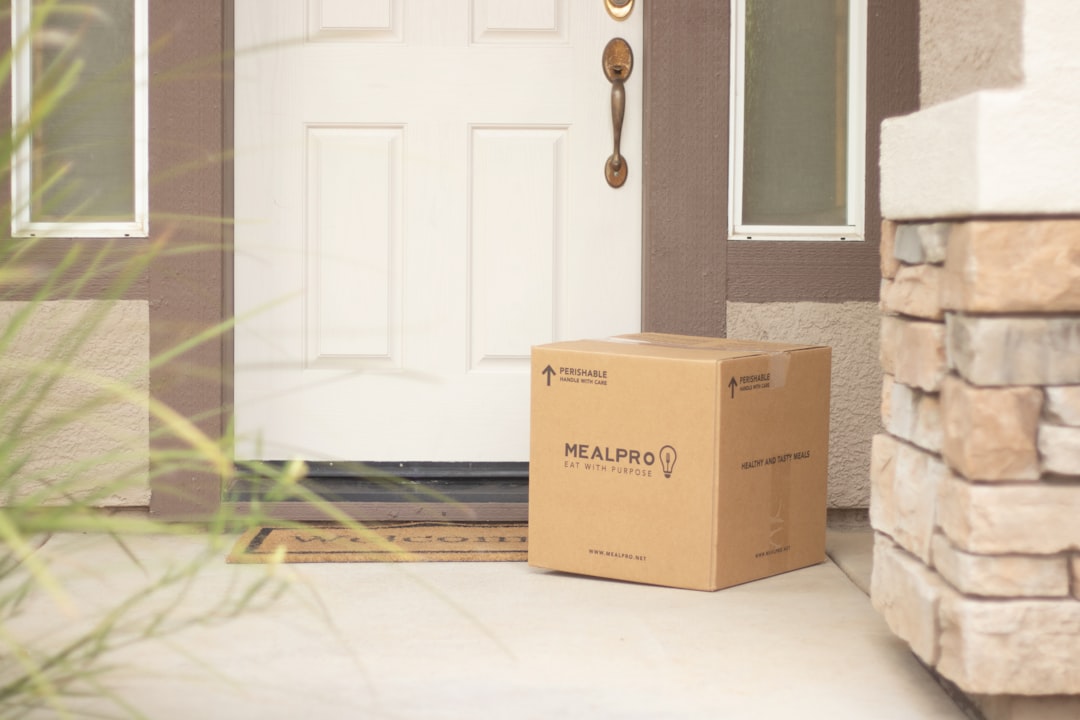
So, you’re wondering about package juggling, huh? Simply put, package juggling is a strategy where you delay sending a package until you have a full truckload or enough packages going to the same general area to make the trip more efficient. Think of it like waiting for a carpool – you don’t leave until you have a few people to split the gas with. It’s all about optimizing logistics to save time and money, but it definitely has its ups and downs. Let’s dig into what that actually means for your business.
There are some pretty compelling reasons why companies might opt for package juggling. It boils down to efficiency and cost savings, which are always high on a business’s priority list.
Cost Savings Galore
One of the biggest draws of package juggling is the potential to significantly cut down on your shipping expenses.
Reduced Fuel Consumption
If you’re making fewer trips with fuller trucks, you’re naturally using less fuel overall. This isn’t just good for your bottom line; it’s also a more environmentally friendly approach, which is a nice bonus these days. Instead of sending out half-empty vehicles for individual deliveries, you’re maximizing the capacity of each trip. This directly translates into fewer miles driven across your entire fleet, leading to substantial savings on gas or diesel.
Optimized Labor Costs
Fewer trips also mean less time spent by your drivers on the road and less time spent by your warehouse staff loading and unloading. This frees up your team to focus on other tasks, making your operations more efficient as a whole. You’re not paying drivers for idle time or for making small, inefficient runs. The fewer distinct routes your drivers need to take, the less cumulative time they spend on the clock for delivery purposes, which can be a significant payroll reduction.
Lower Maintenance & Vehicle Wear
Every mile a truck drives contributes to wear and tear. By reducing the overall mileage of your fleet, you’re also reducing how often you need to perform maintenance, replace tires, or even buy new vehicles. This extends the lifespan of your assets and keeps those capital expenditure costs down. Think of it as gently aging your vehicles rather than pushing them to their limits prematurely.
Bulk Shipping Discounts
Many carriers offer discounts for larger, consolidated shipments. By combining multiple smaller packages into one larger consignment, you might qualify for better rates, which can add up to substantial savings over time. This is especially true for businesses that ship with third-party logistics providers (3PLs) or freight forwarders.
Improved Efficiency and Resource Utilization
Beyond just saving money, package juggling can make your whole operation run smoother.
Maximized Truck Capacity
No one likes a half-empty truck. Package juggling ensures that your vehicles are utilized to their fullest potential, meaning you’re getting the most bang for your buck with every delivery run. It’s about ensuring that the space you pay for in a truck, whether your own or a carrier’s, is completely filled, maximizing the value of each trip. This avoids the waste of unused cargo space, a common inefficiency in many logistics operations.
Streamlined Operations
When you’re not constantly rushing to send out individual packages, your warehouse and logistics teams can operate with a more predictable schedule. This can lead to better planning, less stress, and fewer errors. The rhythm of consolidating shipments allows for more structured packing, loading, and dispatch processes, reducing the chaos of ad-hoc shipping. This predictability translates into smoother workflows and better resource allocation within your warehouse.
Reduced Carbon Footprint
As mentioned before, fewer trips with fuller trucks mean less fuel burned and fewer emissions released into the atmosphere. This is a win for the environment and can be a great talking point for your brand’s sustainability efforts. Consumers are increasingly conscious of environmental impact, and a reduced carbon footprint can enhance your brand’s image.
In exploring the advantages and disadvantages of using packaging, it is essential to consider various perspectives on the topic. A related article that delves into the standards for creating effective packaging can be found at this link: here. This article provides insights into the standards and practices that can enhance packaging effectiveness, which is crucial for both consumer satisfaction and environmental considerations.
The Not-So-Good Stuff: The Downsides of Package Juggling
While the benefits are attractive, package juggling isn’t a silver bullet. There are some significant drawbacks you need to be aware of.
Customer Satisfaction Hits
This is often the biggest sticking point for businesses considering package juggling. It directly impacts your customers.
Increased Delivery Times
This is the most obvious drawback. If you’re waiting for more packages to accumulate, individual orders will take longer to reach their destination. In today’s “I want it now” culture, this can be a real problem. Customers expect fast shipping, and any delay can lead to frustration. If your competitors are offering next-day or two-day shipping, your longer delivery times could put you at a significant disadvantage.
Lack of Predictability
Because you’re waiting for a certain volume or a specific route to fill up, delivery times can become less predictable. This makes it harder for customers to plan and can lead to increased customer service inquiries about “where’s my order?” The variable nature of consolidation means estimated delivery dates can fluctuate more, leading to uncertainty and potential annoyance for the end-user.
Higher Customer Service Load
When deliveries are delayed or unpredictable, your customer service team will likely be fielding more calls and emails from frustrated customers. This adds to their workload and can impact their ability to handle other inquiries effectively. A surge in “Where is my package?” calls can strain your support resources and divert attention from other important customer interactions.
Potential for Lost Sales
If your delivery times are consistently longer than your competitors, customers might simply choose to buy elsewhere, especially for time-sensitive items or if they value speed above all else. In a competitive market, a few extra days in transit can be the difference between a sale and a lost customer.
Operational Complexities and Risks
Juggling packages isn’t always as simple as it sounds; it introduces its own set of challenges.
Inventory Management Headaches
Holding onto packages longer means you need more space in your warehouse dedicated to outgoing shipments. This can complicate your inventory management system, especially if you have a high volume of orders. You need clear systems to track which packages are “waiting” and for how long. The longer packages sit, the higher the risk of misplacement or damage within your own facility.
Increased Risk of Damage or Loss
The more a package is handled and stored before its final journey, the higher the risk of it being damaged, misplaced, or even stolen within your own facility. Each touchpoint is a potential point of failure. Packages sitting around for longer periods are simply more susceptible to internal accidents or human error before they even leave your premises.
Demand Forecasting Challenges
To effectively juggle packages, you need a good grasp of your typical order volume and geographic distribution. If your demand is highly unpredictable, it can be very difficult to implement this strategy without causing significant delays. Spiky or inconsistent demand makes it hard to hit those “full truckload” targets consistently.
Supply Chain Bottlenecks
If you’re waiting for specific items to consolidate, it can create a bottleneck in your supply chain. Other packages might be ready to go, but they’re held back by the one item you’re waiting for. This domino effect can cause widespread delays if not managed carefully.
When Package Juggling Makes Sense (And When It Doesn’t)
So, how do you know if package juggling is right for your business? It really depends on your specific situation.
Ideal Scenarios for Package Juggling
There are certain business models and product types where this strategy shines.
Non-Urgent Shipments
If you’re selling products that aren’t time-sensitive – think custom-made furniture, specialty items with long lead times, or bulk orders for B2B clients – then customers are often more understanding of longer shipping times. They prioritize getting the right product over getting it instantly.
High-Value, Low-Volume Items
For products that are expensive to ship individually but aren’t ordered frequently, consolidating can make a huge difference in profitability. The cost savings per shipment outweigh the increased waiting time. Examples might include heavy machinery parts or specialized industrial components.
Business-to-Business (B2B) Operations
B2B customers often place larger, less frequent orders and are typically more focused on cost efficiency than immediate gratification. They’re usually more accustomed to lead times and scheduled deliveries. Businesses often plan their inventory based on expected lead times, making package juggling a more acceptable practice in this context.
Remote or Infrequent Delivery Locations
If you’re shipping to very remote areas where carriers only go a few times a week, or if you have sporadic orders to a specific, far-flung region, waiting to consolidate can be the only cost-effective way to send packages. Sending a half-empty truck to a remote location is incredibly inefficient.
When to Steer Clear of Package Juggling
Conversely, some businesses should probably avoid this strategy altogether.
E-commerce with High Customer Expectations
If you’re in the highly competitive e-commerce space where customers expect fast, free, or affordable shipping, juggling packages can quickly lead to lost sales and negative reviews. Think fashion, electronics, or everyday consumer goods.
Perishable Goods
This is a no-brainer. If your products have a shelf life (food, flowers, pharmaceuticals), delaying shipment is simply not an option. Speed and proper handling are paramount. The risk of spoilage or degradation far outweighs any potential shipping savings.
Time-Sensitive Products
Any product where timely delivery is crucial – event tickets, critical medical supplies, emergency parts – should never be subjected to package juggling. The cost of delay is too high. A missed deadline can have severe consequences, far beyond the shipping cost.
Highly Competitive Markets
In markets where delivery speed is a key differentiator, slowing down your shipping process can hand your competitors a significant advantage. If everyone else offers two-day shipping, and you’re offering five to seven days, you’re at a disadvantage.
How to Make Package Juggling Work (If You Choose To)

If you’ve weighed the pros and cons and decided to give package juggling a shot, there are ways to do it smartly.
Clear Communication is Key
Transparency with your customers is non-negotiable.
Set Realistic Expectations Upfront
Make sure your shipping policy clearly states estimated delivery times, and explain that some orders may take longer due to consolidation. Be upfront and honest. Don’t promise two-day shipping if you know it’ll take a week. Manage expectations from the very first interaction.
Provide Tracking and Updates
Even if the package is waiting to be shipped, keep your customers informed. Let them know its status (e.g., “Your package is being prepared for consolidated shipment”). Once it leaves, provide robust tracking information. Communication during the “waiting” period can significantly reduce anxiety.
Offer Expedited Options (at a Premium)
Give customers the choice. If they need something faster, offer an expedited shipping option for an additional fee. This allows you to cater to different customer needs without abandoning the cost-saving benefits of juggling for others. This can also be a profit center for your logistics.
Smart Logistics and Technology
To pull off package juggling effectively, you need solid systems in place.
Robust Warehouse Management System (WMS)
Your WMS needs to be able to identify, hold, and group packages efficiently. It should track which packages are waiting for consolidation and for how long. This prevents misplacements and ensures orders are eventually shipped.
Route Optimization Software
If you’re handling your own deliveries, route optimization software can help you plan the most efficient consolidated routes, minimizing mileage and maximizing vehicle capacity. It takes the guesswork out of building efficient loads.
Demand Forecasting Tools
Accurate forecasting can help you anticipate when you’ll have enough packages for a consolidated shipment, allowing you to plan more effectively and reduce waiting times. Machine learning algorithms can often help predict demand patterns more accurately.
Partner with the Right Carriers
If you’re using third-party carriers, work with those who are flexible and offer consolidation services or have specific routes that align with your juggling strategy. Establish clear agreements on how consolidation impacts pricing and delivery schedules.
Internal Processes and Training
Your team needs to be on board and well-equipped.
Clear Internal Protocols
Establish clear guidelines for when and how packages are consolidated, who is responsible for what, and how to handle exceptions. Everyone needs to understand the process.
Staff Training
Ensure your warehouse and customer service teams understand the package juggling strategy, its benefits, and its potential drawbacks. Your customer service team, especially, needs to be well-versed in explaining potential delays to customers.
Regular Review and Adjustment
Continuously monitor your package juggling strategy. Are the cost savings truly there? Is customer satisfaction suffering too much? Be prepared to adjust your approach based on real-world data and feedback. This isn’t a set-it-and-forget-it strategy.
When considering the advantages and disadvantages of using packaging, it is essential to explore various perspectives on the topic. A related article discusses the implications of packaging in detail, highlighting both its benefits and drawbacks. For a deeper understanding of this subject, you can read more about it in this insightful piece on packaging. This exploration can provide valuable insights for businesses and consumers alike.
Final Thoughts
| Pros | Cons |
|---|---|
| Convenience | Environmental impact |
| Portion control | Cost |
| Extended shelf life | Excess packaging |
Package juggling isn’t a universally applicable strategy, but for the right business, it can be a game-changer for reducing logistics costs and improving operational efficiency. The key is to carefully weigh the potential for savings against the risk of longer delivery times and customer dissatisfaction. If your customers are willing to wait a little longer for their products, and you have the systems in place to manage the complexity, then this strategy could be a powerful tool in your logistical arsenal. However, if speed is paramount for your business, it’s probably best to stick to more traditional, direct shipping methods. It’s all about finding that sweet spot between cost, speed, and customer happiness.
FAQs
What are the advantages of using packaging tape?
– Packaging tape provides a secure and durable seal for packages, ensuring that the contents are protected during transit.
– It is easy to use and can be applied quickly, saving time and effort in the packaging process.
– Packaging tape is available in different materials and strengths, making it suitable for various types of packages and environments.
– It can be customized with branding or labeling, providing a professional and organized appearance for the packages.
– Packaging tape is cost-effective and widely available, making it a practical choice for businesses and individuals.
What are the disadvantages of using packaging tape?
– Overuse of packaging tape can lead to excessive waste and environmental impact, especially if non-recyclable materials are used.
– Improper application of packaging tape can result in difficulty in opening the package, leading to frustration for the recipient.
– Some types of packaging tape may not adhere well to certain surfaces or in extreme temperatures, compromising the security of the package.
– The use of packaging tape may add to the overall weight of the package, potentially increasing shipping costs.
– If not disposed of properly, used packaging tape can contribute to litter and pollution.
How to choose the right packaging tape for your needs?
– Consider the weight and size of the package, as well as the type of material being shipped, to determine the strength and durability required for the packaging tape.
– Evaluate the environmental impact of the packaging tape and opt for eco-friendly options if sustainability is a priority.
– Assess the surface and temperature conditions the package will be exposed to, and choose a packaging tape that can adhere effectively in those conditions.
– Determine if any special features, such as branding or security measures, are needed for the packaging tape.
– Compare the cost and availability of different types of packaging tape to find the most suitable option for your budget and convenience.
How to properly apply packaging tape for maximum effectiveness?
– Ensure that the surface to which the packaging tape will be applied is clean and dry to promote strong adhesion.
– Use a tape dispenser or applicator to facilitate smooth and even application of the packaging tape, reducing the risk of wrinkles or air bubbles.
– Apply the packaging tape along the seams and edges of the package, pressing firmly to create a secure seal.
– Avoid stretching or over-tensioning the packaging tape, as this can compromise its strength and adhesion.
– Consider using additional reinforcement, such as corner protectors or edge guards, for particularly heavy or fragile packages.
What are some alternatives to traditional packaging tape?
– Water-activated paper tape, made from renewable materials, offers a sustainable and secure alternative to traditional packaging tape.
– Biodegradable and compostable packaging tape provides an eco-friendly option for sealing packages while minimizing environmental impact.
– Self-sealing boxes and mailers eliminate the need for additional packaging tape, streamlining the packaging process and reducing material usage.
– Adhesive-free packaging solutions, such as interlocking tabs or friction-fit closures, offer a tape-free and reusable option for securing packages.
– Stretch wrap or shrink wrap can be used as an alternative to packaging tape for bundling and securing multiple items together.