
Boosting Efficiency with Food Industry Packaging
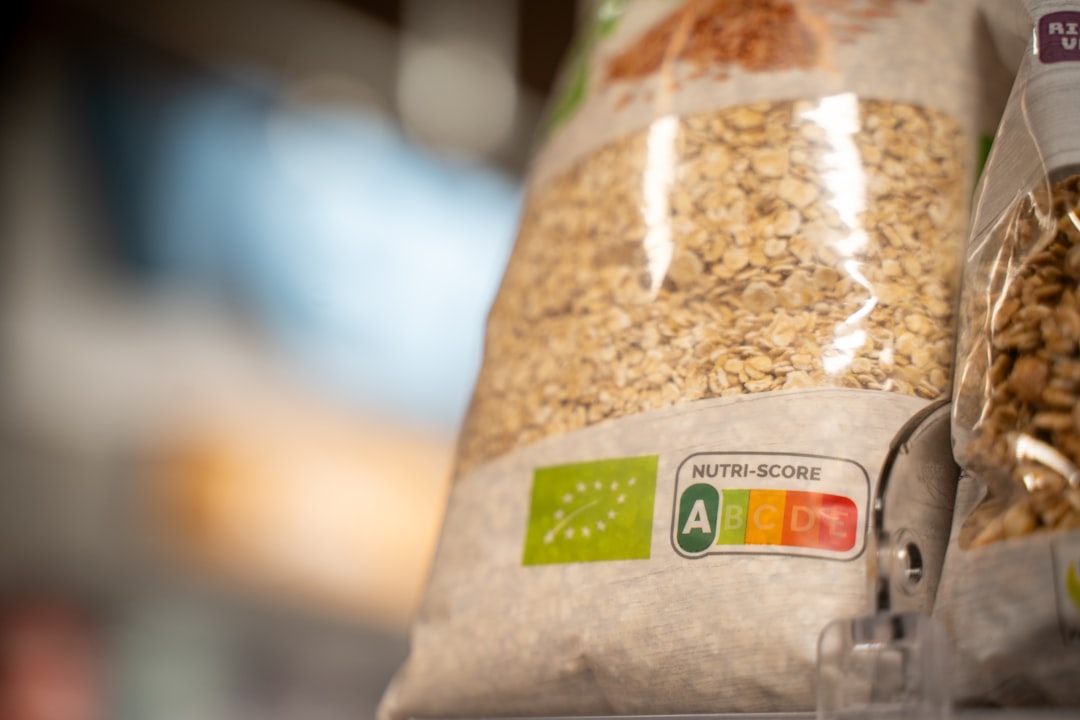
The right packaging in the food industry isn’t just about making your products look good on a shelf, it’s a huge lever for boosting efficiency across your entire operation. From the moment ingredients arrive to when the finished product lands in a customer’s hands, smart packaging choices can save time, reduce waste, improve safety, and ultimately, cut costs. Think of it as a hidden engine that, when finely tuned, propels your business forward, making everything from production to logistics run smoother.
It’s easy to view packaging as a mere necessity – a container for your food. But in reality, it’s an active participant in your operational flow. Its design, material, and how it interacts with your machinery and supply chain directly impact how efficiently you can operate. Ignoring this connection is akin to driving with the handbrake on; you’re expending more effort than necessary for less output.
Beyond Protection: Multifunctional Roles
While protecting food from spoilage, contamination, and damage is its primary role, modern packaging does so much more. It’s a silent worker, communicating information, aiding in portion control, extending shelf life, and even streamlining kitchen processes for end-users. Each of these functions, when optimized, contributes to a more efficient overall system. For example, packaging that clearly displays nutritional information or cooking instructions reduces customer service queries and potential user error.
Cost Savings Beyond Material Price
When we talk about efficiency, we’re not just looking at the cost per unit of packaging material. We’re considering the total cost of ownership. This includes labor costs for packing, transportation costs (influenced by weight and volume), waste disposal costs, and even the cost of potential product recalls due to inadequate protection. A slightly more expensive packaging material that prevents spoilage or streamlines automation can lead to significant savings down the line. It’s about looking at the bigger picture, not just the immediate outlay.
In the food industry, packaging plays a crucial role in ensuring product safety and enhancing consumer appeal. A related article that delves deeper into the significance of packaging in the food sector can be found at this link: here. This article provides valuable insights into the latest trends and innovations in food packaging, highlighting its impact on sustainability and consumer behavior.
Streamlining Production and Automation
One of the most immediate and tangible ways packaging impacts efficiency is on the production floor. The compatibility of your packaging with your machinery can make or break your throughput.
Design for Machine Compatibility
Modern food production lines are highly automated, relying on precise movements and consistent packaging dimensions. If your packaging isn’t designed to seamlessly integrate with your existing filling, sealing, or labeling machinery, you’re setting yourself up for bottlenecks. Mismatched dimensions, flimsy materials, or inconsistent quality can lead to frequent jams, slower line speeds, and increased downtime for adjustments or repairs. Working closely with packaging suppliers who understand automation is key here.
Material Selection for Speed and Reliability
The material chosen for your packaging directly influences how efficiently it can be processed. For instance, some plastics might be too soft for high-speed robotic handling, leading to deformation. Others might not seal consistently at rapid temperatures. Understanding the mechanical properties of your packaging materials – their rigidity, heat-sealing characteristics, and friction coefficients – is crucial for optimizing line speeds and reducing errors. A material that performs reliably under pressure translates directly to higher output and fewer rejected units.
Reducing Waste at the Source
Efficient production isn’t just about speed; it’s also about minimizing waste. Packaging design can play a significant role here. Think about designs that reduce material usage without compromising product integrity, or those that are easily separated for recycling at the production facility. Also, packaging that is robust enough to withstand the rigors of the production line reduces the number of damaged units that need to be discarded. This isn’t just about environmental responsibility; it’s about reducing material costs and disposal fees.
Enhancing Supply Chain and Logistics
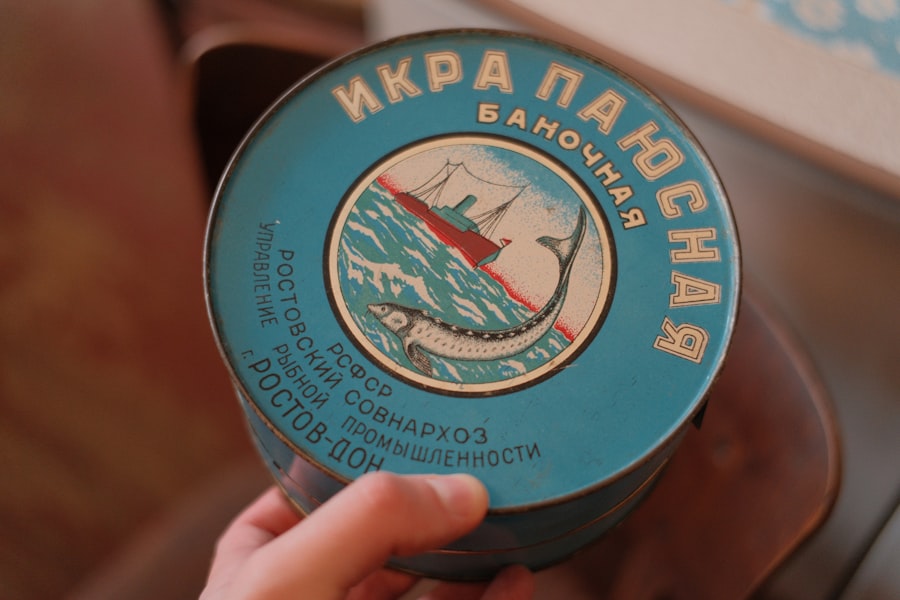
Once your product leaves the production line, packaging continues to play a vital role in its journey through the supply chain. Efficient logistics directly translate to lower transportation costs and fewer damaged goods.
Optimizing for Storage and Stacking
Space is money, whether in a warehouse or on a truck. Packaging designed for efficient stacking and storage can drastically reduce your footprint. This means considering the shape, strength, and interlocking features of your packaging. Square or rectangular containers often stack more efficiently than irregular shapes, maximizing the use of vertical space and preventing shifting during transit. Robust secondary and tertiary packaging (like corrugated boxes and pallets) that can withstand significant weight without collapsing is also crucial.
Lightweighting for Reduced Shipping Costs
The lighter your packaging, the less it costs to ship. This is a simple but powerful equation. Advances in material science have allowed for significant “lightweighting” – reducing the amount of material used while maintaining or even improving structural integrity. For example, thinner films, lighter-gauge plastics, or optimized corrugated designs can all contribute to lower freight charges, especially when shipping large volumes over long distances. Every gram saved adds up to substantial savings over time.
Clear Labeling and Traceability
Effective logistics relies on clear, accurate information. Packaging that offers ample space for barcodes, batch numbers, expiration dates, and other vital tracking information is essential for efficient inventory management and traceability. This isn’t just about compliance; it’s about being able to quickly locate products, rotate stock effectively, and respond rapidly to any issues. Clear labeling reduces the chances of mis-shipments or delays due to manual identification.
Improving Food Safety and Shelf Life
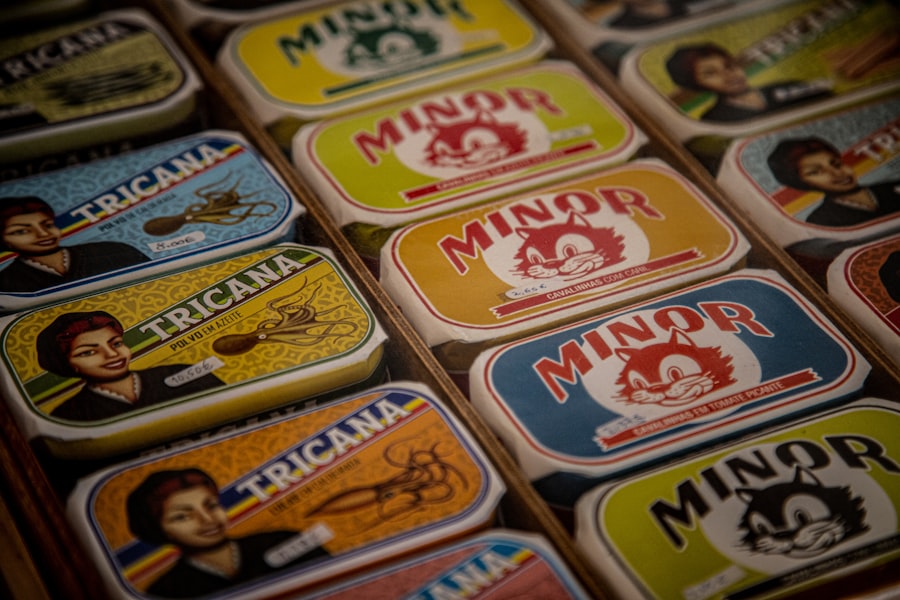
While often seen as a compliance or quality issue, superior food safety and extended shelf life directly contribute to efficiency by reducing spoilage, waste, and the costly repercussions of foodborne illness.
Barrier Properties and Spoilage Prevention
The primary function of food packaging is protection, and its ability to act as a barrier is paramount. Oxygen, moisture, light, and contaminants are the enemies of food freshness. Packaging materials with optimized barrier properties (e.g., high-barrier films for oxygen-sensitive products, moisture-resistant packaging for dry goods) extend shelf life, reducing the amount of expired or spoiled product that needs to be discarded. This reduction in waste is a direct efficiency gain. It also means less frequent restocking for retailers and a fresher product experience for consumers.
Tamper Evidence and Consumer Trust
Beyond spoilage, packaging plays a critical role in preventing tampering and ensuring product integrity. Tamper-evident seals, shrink bands, and unique closure designs build consumer trust and confidence. While the immediate efficiency gain might not be obvious, preventing a tampering incident can save millions in recalls, brand damage, and legal fees. It’s a proactive measure that safeguards your business from potentially catastrophic inefficiencies.
Aseptic and Modified Atmosphere Packaging (MAP)
For certain food products, advanced packaging technologies like aseptic processing and Modified Atmosphere Packaging (MAP) are game-changers for shelf life and safety. Aseptic packaging allows products to be sterilized and packaged without refrigeration, significantly extending shelf life and reducing reliance on cold chain logistics (which can be very costly). MAP involves altering the gas composition inside the package to slow down spoilage. Both technologies, while potentially higher in initial cost, offer immense efficiency benefits by reducing waste, expanding distribution reach, and potentially eliminating the need for preservatives.
In the food industry, effective packaging plays a crucial role in preserving product quality and enhancing consumer appeal. For those interested in exploring this topic further, a related article discusses the various innovations in food packaging that are transforming the market. You can read more about these advancements and their implications for sustainability and safety in the food sector by visiting this article. This exploration not only highlights the importance of packaging in maintaining food safety but also emphasizes the need for innovative solutions in an ever-evolving market.
Enhancing Consumer Experience and Retail Efficiency
| Package Type | Industry | Food Type |
|---|---|---|
| Box | Food and Beverage | Frozen Food |
| Bottle | Beverage | Soft Drink |
| Pouch | Snack | Chips |
Efficiency isn’t just internal; it extends to how consumers interact with your product and how retailers manage it. Thoughtful packaging can significantly improve both, creating a smoother path from shelf to table.
Ease of Use and Convenience
Packaging that’s easy to open, reclose, store, and dispose of directly impacts consumer satisfaction. Think about features like tear strips, zip-locks, microwaveability, or single-serve portions. While seemingly small details, these conveniences can differentiate your product and reduce consumer frustration. A frustrated customer might not return, leading to lost sales – an inefficiency in itself. From a retail perspective, easy-to-handle packaging can speed up stocking and reduce damage on shelves.
Visual Merchandising and Information Delivery
Packaging is your product’s silent salesperson. Clear, attractive, and informative packaging helps consumers make quick purchasing decisions. This reduces the time spent browsing and the need for assistance from store staff, which in turn boosts retail efficiency. Packaging that clearly highlights key benefits, dietary information, or preparation instructions can also lead to fewer product returns due to misunderstandings. It’s about providing a clear, concise message right at the point of sale.
Reducing In-Store Waste and Damage
Robust packaging isn’t just for transit; it’s also crucial for surviving the retail environment. Products that are easily damaged on shelves or in shopping carts lead to unsaleable waste for retailers. Similarly, packaging that makes portioning difficult for consumers (e.g., a large bulk item that needs to be decanted) can lead to more food waste at home. By designing packaging that is durable and facilitates appropriate portioning, you contribute to efficiency for both the retailer and the end-user.
In the food industry, effective packaging plays a crucial role in preserving product quality and enhancing consumer appeal. For those looking to explore the best practices in selecting packaging solutions, a related article provides valuable insights on how to choose the right store for your needs. You can read more about it in this informative piece on choosing the right store. This knowledge can significantly impact the success of food products in a competitive market.
Sustainable Packaging and Long-Term Efficiency
Sustainability in packaging is no longer a niche concern; it’s a mainstream expectation. But beyond environmental benefits, sustainable packaging choices can also drive significant long-term operational and financial efficiencies.
Material Choice and Environmental Impact
Opting for recyclable, compostable, or biodegradable packaging materials can reduce your environmental footprint, but it can also simplify waste management. If your packaging is easily recyclable, it might reduce disposal costs or even open up new revenue streams from recycled materials. Furthermore, using recycled content in your packaging (e.g., recycled PET) can sometimes be more cost-effective than virgin materials, assuming the supply chain is robust. This requires a careful analysis of the entire lifecycle.
Designing for Circularity
The concept of a circular economy is gaining traction, where materials are kept in use for as long as possible. Packaging designed for “circularity” means it’s not just recyclable, but ideally made from recycled content, or designed for reuse. For example, refillable packaging systems, while potentially requiring an initial investment, can lead to significant long-term savings on material costs and generate customer loyalty. It’s about thinking beyond a single-use lifecycle.
Regulatory Compliance and Brand Reputation
Governments globally are increasingly implementing regulations around packaging waste and material use. Proactively adopting sustainable packaging practices can help you stay ahead of these regulations, avoiding potential fines or redesign costs down the line. Beyond compliance, a strong commitment to sustainable packaging enhances your brand reputation, attracting environmentally conscious consumers and potentially leading to increased sales – a long-term efficiency gain through market differentiation. Being seen as a responsible brand can mitigate negative publicity, which can be incredibly costly and damaging.
FAQs
What is packaging in the food industry?
Packaging in the food industry refers to the process of enclosing food products in containers or materials for protection, preservation, and transportation. It plays a crucial role in maintaining the quality and safety of food products.
What are the common types of packaging used in the food industry?
Common types of packaging used in the food industry include bottles, cans, pouches, cartons, trays, and bags. These packaging materials are designed to meet specific requirements for different types of food products.
What are the key functions of packaging in the food industry?
The key functions of packaging in the food industry include protecting the food product from physical, chemical, and biological damage, extending the shelf life of the product, providing information to consumers, and facilitating transportation and storage.
How does packaging contribute to food safety in the food industry?
Packaging plays a critical role in ensuring food safety by preventing contamination, maintaining product integrity, and providing tamper-evident features. It also helps in controlling portion sizes and reducing food waste.
What are the current trends and innovations in packaging for the food industry?
Current trends and innovations in packaging for the food industry include the use of sustainable and eco-friendly materials, smart packaging with sensors for monitoring product freshness, and packaging designs that enhance consumer convenience and experience.