
How to Make Shrimp Packages
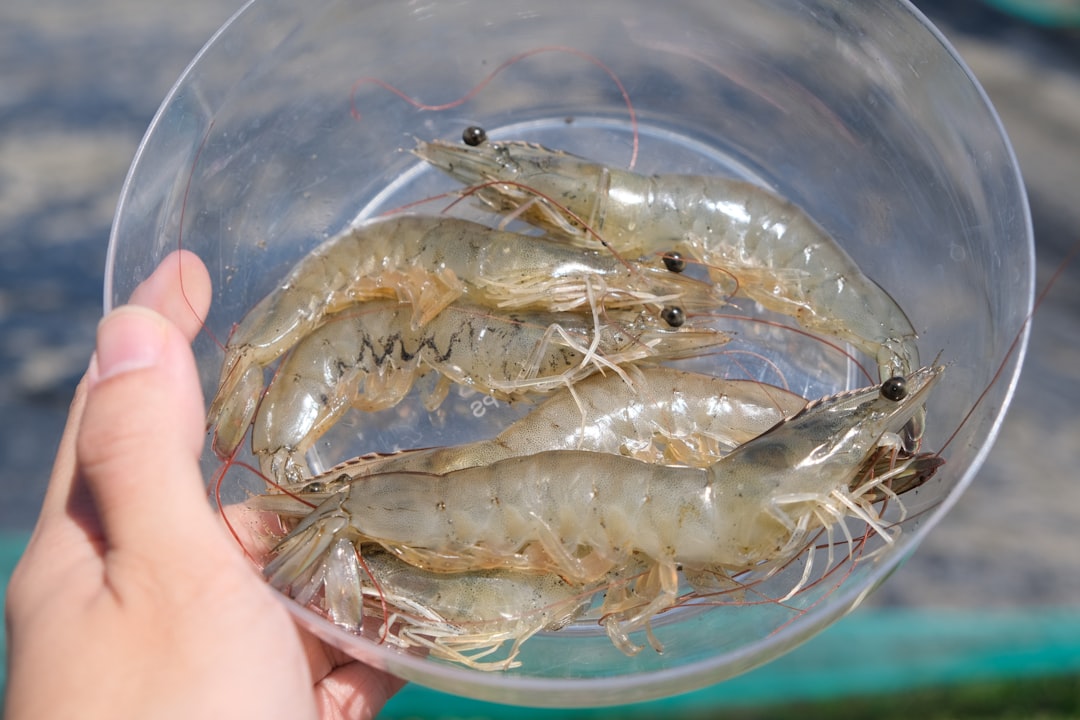
Shrimp packages, sometimes called shrimp boils in a bag, are a fantastic way to cook a delicious seafood meal with minimal fuss and cleanup. The basic idea is simple: you combine shrimp and other ingredients like vegetables, seasonings, and a bit of liquid in a heat-safe package (usually foil or parchment paper) and then cook it. This method steams everything together, infusing the shrimp and veggies with flavor and keeping them wonderfully moist. It’s perfect for a quick weeknight dinner, a casual get-together, or even camping.
Why Choose Shrimp Packages?
Shrimp packages are a real winner for several reasons. First, they’re incredibly versatile. You can tailor the ingredients to your taste or what you have on hand. Want spicy? Add some chili flakes. Prefer a buttery garlic flavor? Load it up. Second, the cleanup is a breeze. Since everything cooks in a self-contained package, there are no messy pots and pans to scrub afterward – just toss the used foil or parchment. Third, it’s a healthy cooking method, as it relies on steaming rather than frying, locking in nutrients and natural flavors.
For those interested in learning about effective packaging techniques, a related article can provide valuable insights into the selection of suitable materials and design strategies. This resource not only covers the basics of packaging but also delves into innovative approaches that can enhance product presentation and sustainability. To explore more about this topic, you can visit the article at here.
What You’ll Need: The Basics
Before we dive into the fun stuff, let’s talk about the essentials you’ll need to get started. Don’t worry, it’s pretty straightforward.
Packaging Material
You have a couple of good options here, each with its pros and cons.
Aluminum Foil
This is probably the most common choice. Heavy-duty foil is best as it’s less likely to tear, but regular foil works too if you double it up. It holds heat well and is very forgiving. Just be mindful of acidic ingredients, as they can sometimes react with aluminum, though for the short cooking time of shrimp, it’s usually not an issue.
Parchment Paper
A great alternative, especially if you prefer to avoid aluminum or want a slightly more elegant presentation. Parchment paper packages (often called “en papillote”) can be a bit trickier to seal tightly, but they create a lovely steaming environment. They’re also oven-safe and microwave-safe, making them versatile.
The Star: Shrimp
Of course, you’ll need shrimp! Fresh or frozen, raw is best for this method as it cooks perfectly inside the package.
Fresh vs. Frozen
If using frozen shrimp, make sure to thaw it completely before packaging. Running it under cold water or letting it thaw in the fridge overnight works well. Don’t cook shrimp from frozen in a package; it won’t cook evenly.
Size Matters
Medium to large shrimp (21/25 count or larger) are ideal as they don’t overcook too quickly. Smaller shrimp can work, but you’ll need to adjust cooking times.
Building Your Flavor Profile: Seasonings and Aromatics
This is where you get to be creative! The seasonings are what make your shrimp package truly sing. Don’t be shy about experimenting.
Classic Combinations
Some flavors just work perfectly with shrimp.
Old Bay and Lemon
A quintessential shrimp pairing. Old Bay seasoning offers a savory, slightly spicy, and aromatic kick, while lemon brightens everything up. Add a pat of butter for richness.
Garlic Herb Butter
Melted butter, minced garlic, fresh or dried herbs like parsley, dill, or thyme, and a squeeze of lemon juice make for an incredibly fragrant and delicious package.
Cajun or Creole Spices
If you like a bit of heat, go for Cajun or Creole seasoning. Paprika, cayenne pepper, onion powder, garlic powder, and oregano will give it that Southern kick.
Global Inspiration
Think beyond traditional American flavors.
Asian-Inspired
Soy sauce, ginger, garlic, a touch of sesame oil, and perhaps some red pepper flakes for heat. Serve with a side of rice.
Mediterranean Vibes
Olive oil, oregano, garlic, cherry tomatoes, and a sprinkle of feta cheese (added at the end of cooking).
Liquid for Steaming
A little liquid in the package helps create steam and infuse flavor.
Broth or Stock
Chicken or vegetable broth adds a nice savory depth.
White Wine
A splash of dry white wine can add sophistication and acidity.
Lemon Juice or Water
Simple and effective. Lemon juice adds a bright, zesty note.
The Supporting Cast: Vegetables and Other Add-Ins
Shrimp packages are an excellent way to get some veggies into your meal. Choose vegetables that cook at a similar rate to shrimp, or cut them smaller if they need more time.
Fast-Cooking Veggies
These are your go-to options as they cook relatively quickly alongside the shrimp.
Asparagus
Trimmed and cut into bite-sized pieces.
Cherry Tomatoes
They burst and release their juices, adding a lovely tang.
Corn on the Cob (Cut into Rounds)
Sweet and satisfying.
Bell Peppers and Onions
Sliced thinly so they soften nicely.
Zucchini or Yellow Squash
Sliced into half-moon shapes.
Slower-Cooking Veggies (with a caveat)
If you want to include heartier vegetables, you have a couple of options.
Par-cooking
For things like potatoes or carrots, you can pre-boil or microwave them for a few minutes until they are slightly tender before adding them to the package. Cut them into small, bite-sized pieces.
Thin Slicing
Alternatively, slice them very thinly so they cook faster. Think thin rounds of potato or matchstick carrots.
Other Fun Add-Ins
Don’t limit yourself to just vegetables!
Sausage
Sliced pre-cooked sausage (like andouille or kielbasa) adds a smoky, savory element that pairs beautifully with shrimp.
Pasta (Pre-cooked)
If you want a one-package meal with pasta, cook the pasta al dente separately and then add it to the package during the last few minutes of cooking, just to warm it through and absorb flavors.
When exploring effective methods for packaging, it can be beneficial to look at various resources that provide insights into the industry. One such article discusses the top companies specializing in packaging solutions, which can offer valuable information on how to enhance your own packaging strategies. You can read more about these companies and their innovative approaches by visiting this link. This can provide inspiration and practical tips for anyone looking to improve their packaging techniques.
Assembling Your Shrimp Packages: Step-by-Step
This is the practical part. Follow these steps for perfectly cooked packages every time.
Prep Your Ingredients
Before you start assembling, have everything ready to go.
Thaw and Devein Shrimp
Ensure your shrimp is completely thawed and, if you prefer, deveined. Pat it dry with paper towels; this helps seasonings adhere.
Chop Veggies
Cut all your chosen vegetables into appropriate, bite-sized pieces. Remember, smaller pieces cook faster.
Mix Seasonings
If using a custom spice blend, mix it in a small bowl first. If using a butter-based sauce, melt the butter and mix in garlic, herbs, and other liquids.
Creating the Package
This is where the magic happens.
Lay Out Foil or Parchment
Tear off a generous piece of foil (about 12-18 inches long) or parchment paper. If using foil, you might want to use a double layer for extra strength, especially if your package is heavily loaded. For parchment, you’ll often fold it into a half-moon or square and crimp the edges.
Arrange Ingredients
Start by placing the vegetables on one side of the foil or in the center of the parchment. This helps create a base. Then add the shrimp on top of or alongside the vegetables. If using sausage, add it now.
Season and Add Liquid
Drizzle your melted butter mixture, olive oil, or broth over the shrimp and vegetables. Sprinkle generously with your chosen seasonings. Don’t forget a lemon slice or two!
Seal the Package
This is crucial for creating that steaming environment.
For Foil
Bring the two long edges of the foil together over the ingredients. Fold them down tightly, creating a sealed seam. Then, roll up the short ends of the foil, forming a tight packet. Make sure there are no gaps for steam to escape.
For Parchment Paper
Fold the parchment paper in half. Starting from one end, make small, overlapping folds along the curved edge, tightly crimping them to create a crescent shape. Leave a small opening at the very end to pour in a little liquid (if you haven’t already), then seal that last bit.
Cooking Methods: How to Heat Them Up
Shrimp packages are incredibly versatile and can be cooked using several methods. Choose what works best for you.
Oven Baking
This is probably the most common and easiest method for multiple packages.
Preheat and Placement
Preheat your oven to 400°F (200°C). Place the sealed packages on a baking sheet. This makes them easier to transfer and catches any potential leaks.
Cooking Time
Bake for 12-18 minutes, depending on the size of your shrimp and the density of your vegetables. The shrimp should turn opaque and pink, and the vegetables should be tender. If your packages are very full, they might need a few extra minutes.
Grilling
Perfect for outdoor cooking and adds a lovely smoky flavor.
Medium-High Heat
Preheat your grill to medium-high heat.
Direct Heat Cooking
Place the packages directly on the grill grates. Cook for 10-15 minutes, flipping once halfway through. Again, look for opaque shrimp and tender vegetables. Be careful when flipping, as the packages will be hot and pliable.
Camping or Campfire Cooking
A great option for wilderness adventures.
Coals or Indirect Flame
Place packages directly on hot coals (not roaring flames, as they can burn the foil) or on a grill grate over indirect flame.
Check Frequently
Cooking times will vary greatly depending on the heat of your fire. Check often, typically after 10-15 minutes, until the shrimp is cooked through. Use tongs to carefully open a corner and peek inside.
Air Fryer (Single Serve)
If you’re cooking for one or two and have a larger air fryer, this can be a quick method.
Temperature and Time
Set your air fryer to 375°F (190°C). Cook for 8-12 minutes, shaking the basket gently halfway through if possible (if using a rigid container). This method works best for smaller, less-packed packages.
Serving Your Delicious Creation
Once cooked, your shrimp packages are ready to be enjoyed!
Carefully Open
Be cautious when opening the packages as hot steam will escape. Use tongs or wear oven mitts to tear open the top or side.
Serve Straight from the Package
You can serve them directly in the foil or parchment for a rustic, easy-cleanup meal. Place each package on a plate.
Transfer to a Bowl
Alternatively, carefully transfer the contents of each package to individual bowls. This can be nice for a slightly more formal presentation.
Garnish and Enhance
A final touch can make all the difference.
Fresh Herbs
A sprinkle of fresh chopped parsley, cilantro, or dill adds color and freshness.
Extra Lemon Wedges
Always a good idea for those who love extra zest.
Crusty Bread
Perfect for soaking up all the delicious juices at the bottom of the package.
Hot Sauce or Chili Flakes
For those who like an extra kick.
Troubleshooting and Tips
Even simple cooking methods can have their quirks. Here are some pointers to help you succeed.
Don’t Overcrowd Your Packages
Less is more here. If you stuff the packages too full, they won’t steam properly, and ingredients might not cook evenly. Aim for enough for one or two servings per package.
Don’t Overcook the Shrimp
Shrimp cooks very quickly. Overcooked shrimp becomes rubbery and tough. It’s better to slightly undercook and let the residual heat finish it off than to overcook. It should be opaque pink and curled.
Ensure a Tight Seal
This is critical for success. Any gaps mean steam escapes, and your food will bake or dry out instead of steaming. Take the time to really crimp or fold the edges tightly.
Use Heavy-Duty Foil for Grilling
Regular foil can tear easily on the grill, especially when dealing with hot coals or moving the package. Double up if you only have regular foil.
Customize to Your Liking
Don’t be afraid to experiment with different seasonings, vegetables, and even other proteins (like scallops or thin fish fillets) that cook at a similar rate to shrimp. This method is all about personalizing your meal.
Shrimp packages are genuinely a fantastic, no-fuss way to create a flavorful and healthy meal. They’re quick, easy to clean up, and incredibly adaptable. Give them a try, and you might just find your new favorite weeknight dinner solution.
FAQs
What is the article “วิธีการทำแพคเกจจิ้ง” about?
The article “วิธีการทำแพคเกจจิ้ง” is about the process of making shrimp packages, a popular Thai dish.
What are the main ingredients needed to make “แพคเกจจิ้ง”?
The main ingredients needed to make “แพคเกจจิ้ง” include shrimp, garlic, cilantro, soy sauce, oyster sauce, and sugar.
What are the steps involved in making “แพคเกจจิ้ง”?
The steps involved in making “แพคเกจจิ้ง” include marinating the shrimp, stir-frying the shrimp with the sauce, and garnishing with cilantro.
What are some tips for making delicious “แพคเกจจิ้ง”?
Some tips for making delicious “แพคเกจจิ้ง” include using fresh shrimp, not overcooking the shrimp, and adjusting the seasoning to taste.
What are some common variations of “แพคเกจจิ้ง”?
Some common variations of “แพคเกจจิ้ง” include adding vegetables such as bell peppers or onions, or using different types of protein such as chicken or tofu.