
Enhancing Customer Service with Package Tracking
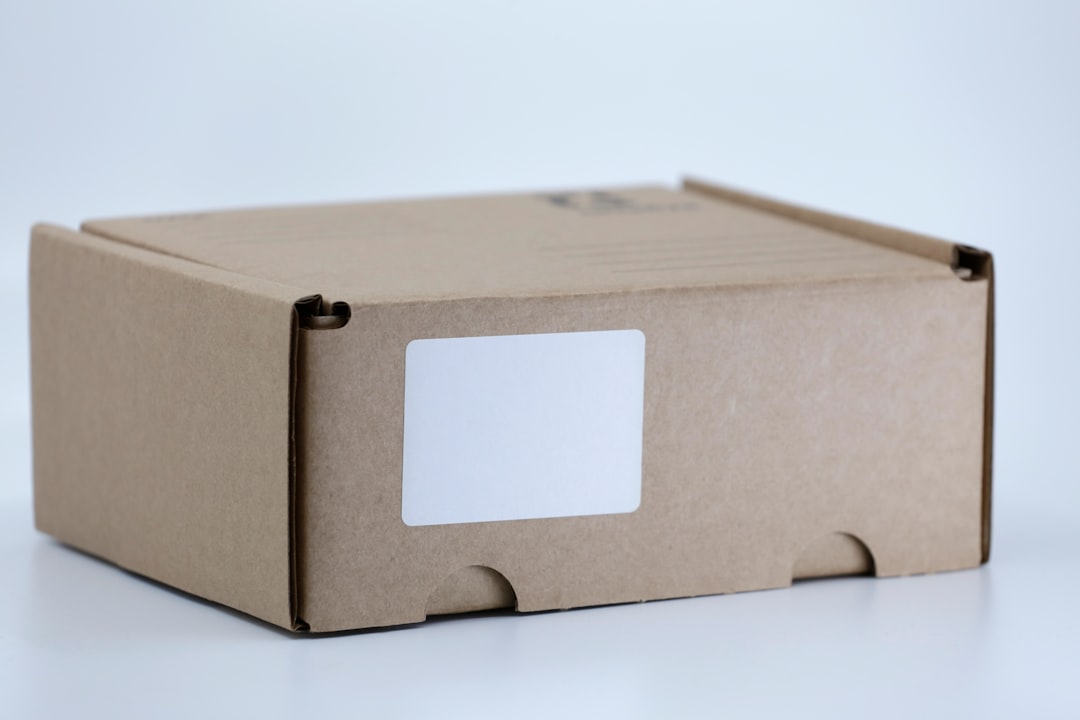
You’re wondering how package tracking can actually make your customer service better, right? It’s not just about knowing where the box is; it’s a surprisingly powerful tool for building trust, saving you time, and keeping your customers happy. Let’s dive into how you can leverage this technology effectively.
At its heart, package tracking is about providing transparency. When you give your customers the ability to see their order’s journey, you’re essentially saying, “We have nothing to hide, and we value your peace of mind.” This simple act can significantly reduce anxiety and build a stronger relationship.
Proactive Communication is Key
It’s easy to think of tracking as just a link you send. But the real magic happens when you use it to communicate proactively. Don’t wait for a customer to ask, “Where’s my order?”
Setting Expectations Right from the Start
From the moment an order is placed, give them an estimated delivery window. This is a basic but crucial step.
Mentioning Shipping Carriers
Be upfront about which carrier you’re using. Different carriers have different tracking interfaces and delivery speeds.
Automated Updates Beyond the Basics
Most tracking systems offer standard updates: “Shipped,” “In Transit,” “Out for Delivery.” But you can go further.
Customizing Email/SMS Notifications
Consider sending personalized notifications for key milestones. A “Your package is expected tomorrow!” can be more reassuring than a generic “In Transit.”
Triggering Follow-Up Actions
If a package is delayed, an automated alert saying, “We noticed a slight delay, but it’s still on its way. We’ll update you again soon,” is far better than silence.
Reducing “Where is My Order?” (WISMO) Inquiries
This is the big one. WISMO calls and emails are a huge drain on resources. Package tracking directly tackles this.
Empowering Customers to Self-Serve
When customers can easily access tracking information themselves, they don’t need to contact you.
Making Tracking Accessible
Ensure the tracking link is prominent in order confirmation emails and on your website. A dedicated “Order Status” page is also a good idea.
Providing Clear Instructions
Don’t just give a link. Briefly explain what they’ll see and what the different statuses mean.
Freeing Up Your Support Team
With fewer WISMO inquiries, your customer service team can focus on more complex issues that require human intervention, leading to better problem-solving for everyone.
In the realm of customer service, effective packaging plays a crucial role in enhancing the overall experience for consumers. A related article that delves into the importance of packaging in customer service can be found at Central Robinson End of Season Sale, which discusses how well-designed packaging can attract customers and foster brand loyalty. This article highlights various strategies that businesses can implement to ensure their packaging not only protects the product but also communicates their brand values effectively.
Improving the Post-Purchase Experience
The customer journey doesn’t end when they click “buy.” The period between purchase and delivery is critical for shaping their overall perception of your brand.
Managing Expectations for Delivery Times
Accurate tracking helps you manage what customers expect regarding when their item will arrive.
Realistic Shipping Estimates
When you provide an initial estimated delivery window, make sure it’s based on actual carrier data and your typical processing times, not just wishful thinking.
Accounting for Peak Seasons
During holidays or sales, delivery times naturally increase. Make sure your estimates reflect this to avoid disappointment.
Different Shipping Options
If you offer expedited shipping, ensure the tracking reflects that speed. Customers paying for faster delivery will be more anxious about updates.
Addressing Delivery Issues Promptly
Even with the best tracking, issues can arise. The advantage is that tracking often flags these problems early.
Identifying Delays Early
If a package is stuck in transit for longer than expected, you can see this on the tracking information.
Proactive Intervention
Instead of waiting for the customer to complain, you can reach out. “We see your package has been delayed at X location. We’re working with the carrier to resolve this and will update you as soon as possible.”
Lost or Damaged Packages
Tracking can help you pinpoint when and where a package might have gone missing or been damaged. This information is crucial for filing claims with carriers and resolving the issue with the customer.
Creating Opportunities for Engagement
The post-purchase phase isn’t just about delivery; it’s a chance to build loyalty.
Encouraging Reviews and Feedback
Once a customer has received their item, you can use the delivery confirmation from tracking to trigger a request for a review or feedback.
Personalized Follow-Ups
“We see your order arrived safely! We hope you’re enjoying your
. If you have any questions or would like to share your experience, please don’t hesitate to reach out.”Loyalty Programs and Next Purchases
Successful deliveries can be a prompt for suggesting related products or offering loyalty program benefits.
Enhancing Operational Efficiency
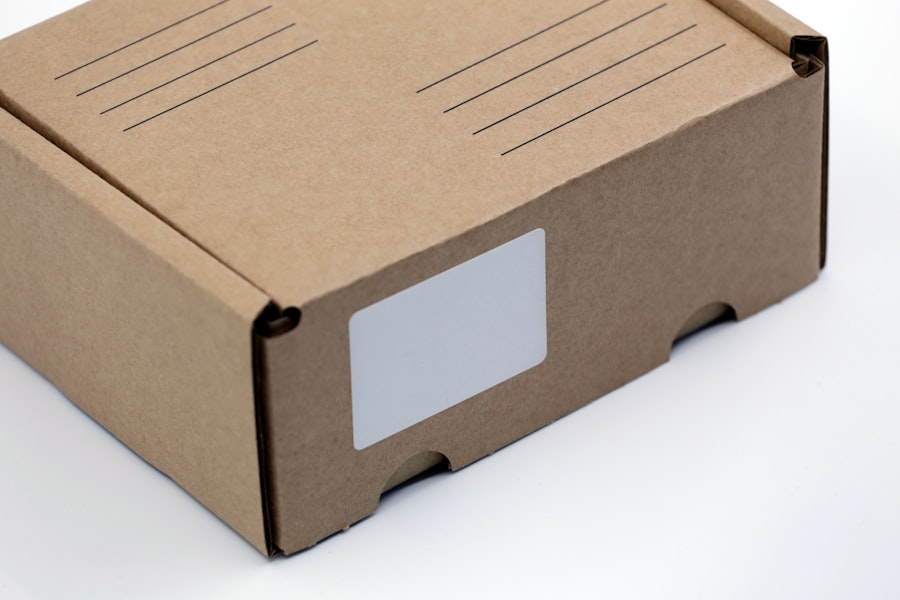
Beyond customer-facing benefits, package tracking can streamline your internal processes, saving you time and money.
Reducing Chargebacks and Disputes
Customers are less likely to dispute a charge when they can clearly see they received the item.
Proof of Delivery
Tracking data often includes proof of delivery, which is invaluable if a customer claims they never received their order.
Clear Delivery Signatures (If Applicable)
For high-value items, tracking systems that integrate with signature confirmation provide irrefutable proof of receipt.
Supporting Your Claims
If a dispute does arise, the tracking history is your primary evidence to present to payment processors.
Optimizing Inventory Management
While not its primary function, tracking can indirectly assist with inventory.
Understanding Shipping Performance
By analyzing tracking data over time, you can identify which carriers are most reliable and which routes are consistently experiencing delays.
Adjusting Shipping Strategies
This data can inform your decisions about which carriers to partner with and where to potentially hold inventory to reduce transit times.
Identifying Bottlenecks
Consistent delays from a particular hub can signal an issue with that shipping partner or a bottleneck in your own fulfillment process.
Improving Carrier Performance Monitoring
Tracking provides objective data on how your chosen shipping partners are performing.
Performance Metrics
You can track on-time delivery rates, average transit times, and exception rates for each carrier.
Negotiating Better Rates
Strong performance data can be used as leverage when negotiating contracts with shipping providers.
Identifying Underperforming Carriers
If a carrier consistently fails to meet delivery expectations, you have the data to justify switching to a more reliable option.
Choosing the Right Tracking Solution
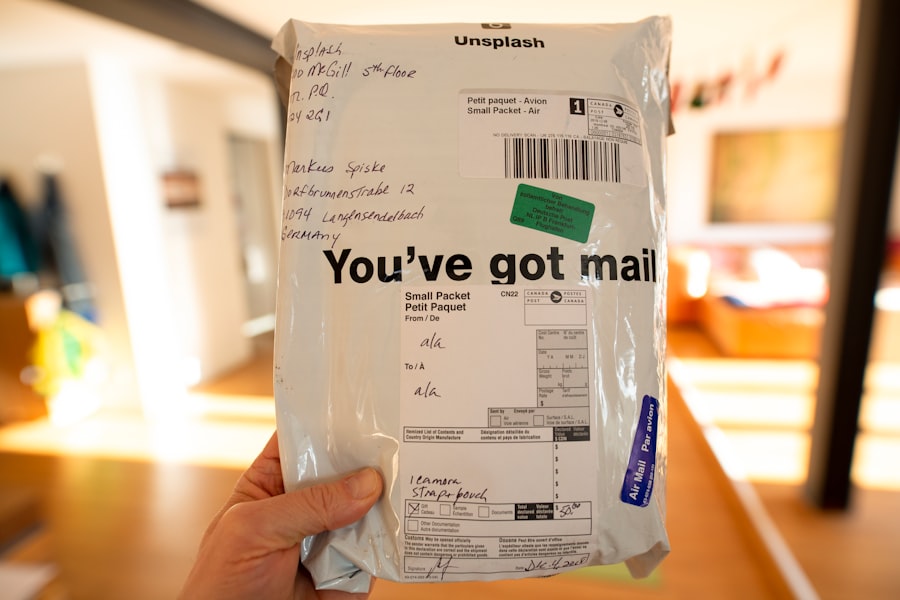
Not all tracking solutions are created equal. Selecting one that integrates well with your existing systems is crucial.
Integration with E-commerce Platforms
Seamless integration with platforms like Shopify, WooCommerce, or Magento is essential.
Automatic Data Sync
The tracking information should flow automatically from your platform to the carrier and back.
API Connections
Look for solutions that offer robust APIs for custom integrations if needed.
Avoiding Manual Entry
Anything that requires manual data input is prone to errors and delays.
Features to Look For
Beyond basic tracking, what else should you consider?
Real-Time Updates
The more real-time the updates, the better. Customers and your team want the most current information.
Multi-Carrier Support
If you use multiple shipping carriers, your solution needs to accommodate them all.
Mobile-Friendly Interface
Both for your team and your customers, the tracking interface should be easy to use on a mobile device.
Branded Tracking Pages
Many solutions allow you to create branded tracking pages, reinforcing your company’s image.
Analytics and Reporting
The ability to pull reports on delivery times, exceptions, and carrier performance can be invaluable.
Customer Support for Your Tracking Solution
Even the best tools can have glitches.
Reliable Technical Support
When something goes wrong, you need to be able to get help quickly.
Proactive Issue Resolution
Does the tracking provider have a good track record of identifying and fixing bugs before they impact you significantly?
Training and Onboarding
Ensure they offer resources to help your team get the most out of the solution.
In the realm of customer service, effective packaging plays a crucial role in enhancing the overall experience for clients. A recent article discusses the importance of this aspect and how it can significantly impact customer satisfaction. For those interested in exploring this topic further, you can read more about it in the article on successful packaging in customer service. This exploration can provide valuable insights for businesses looking to improve their service delivery.
The Future of Package Tracking in Customer Service
| Package | Customer Service Metrics |
|---|---|
| Response Time | 5 minutes |
| Resolution Time | 24 hours |
| Customer Satisfaction Rate | 95% |
The evolution of package tracking is directly tied to advancements in logistics and technology.
AI and Predictive Analytics
Artificial intelligence is already starting to play a role.
Proactive Delay Detection
AI can analyze vast amounts of tracking data to predict potential delays before they even occur, allowing for even earlier intervention.
Optimized Routing
AI can also suggest more efficient routes for packages, reducing transit times and potential issues.
Personalized Delivery Windows
In the future, AI might enable highly personalized delivery windows based on real-time traffic, weather, and carrier capacity.
Enhanced Communication Channels
Tracking is moving beyond simple email and SMS.
Chatbot Integration
Customers might be able to get instant tracking updates through a chatbot on your website or social media.
In-App Notifications
If you have a mobile app, push notifications for tracking updates will become even more standard.
Augmented Reality (AR) for Delivery
While still nascent, imagine AR overlays showing delivery status or instructions when a customer points their phone at their doorstep.
IoT and Sensor Technology
The “Internet of Things” is bringing more data into the tracking equation.
Real-Time Temperature and Condition Monitoring
For sensitive goods (like perishables or pharmaceuticals), IoT sensors can track temperature, humidity, and even if a package has been tilted or dropped.
Geo-fencing and Location Accuracy
More precise location data can improve delivery estimates and security.
Smart Lockers and Delivery Hubs
Tracking plays a crucial role in managing the flow of packages to and from these increasingly popular delivery points.
Sustainability and Tracking
As consumers become more environmentally conscious, tracking can contribute to sustainable practices.
Route Optimization for Reduced Emissions
By helping carriers find the most efficient routes, tracking contributes to lower fuel consumption.
Packaging and Return Logistics
Tracking can also be used to manage returns more efficiently, reducing waste and the carbon footprint of shipping.
Transparent Supply Chains
Customers are increasingly interested in the ethical and environmental impact of their purchases. Detailed tracking can contribute to a more transparent supply chain narrative.
By understanding and implementing package tracking strategically, you’re not just offering a convenience; you’re investing in a smoother, more trustworthy, and ultimately more successful customer experience. It’s a practical tool that, when used thoughtfully, can significantly differentiate your business.
FAQs
What is a packaging in customer service?
Packaging in customer service refers to the process of carefully and thoughtfully preparing and presenting products or services to customers. It involves the physical packaging of products, as well as the overall presentation and delivery of services to ensure a positive customer experience.
Why is packaging important in customer service?
Packaging is important in customer service because it can significantly impact the overall customer experience. A well-designed and attractive packaging can enhance the perceived value of a product or service, while also ensuring that it is delivered to the customer in a safe and secure manner.
What are the key elements of effective packaging in customer service?
The key elements of effective packaging in customer service include attention to detail, quality materials, clear and informative labeling, and a focus on sustainability and environmental responsibility. Additionally, personalized and creative packaging can also help to create a memorable and positive customer experience.
How does packaging impact customer satisfaction?
Packaging can impact customer satisfaction by influencing their perception of the product or service. A well-packaged item can create a sense of excitement and anticipation, while also providing reassurance that the product has been handled with care. On the other hand, poor packaging can lead to disappointment and frustration, ultimately affecting customer satisfaction.
What are some best practices for packaging in customer service?
Some best practices for packaging in customer service include conducting thorough research on customer preferences, investing in high-quality packaging materials, prioritizing sustainability and eco-friendly practices, and continuously seeking feedback from customers to improve packaging strategies. Additionally, personalization and attention to detail are also important factors in creating a positive packaging experience for customers.