
Mastering the Art of Package Design
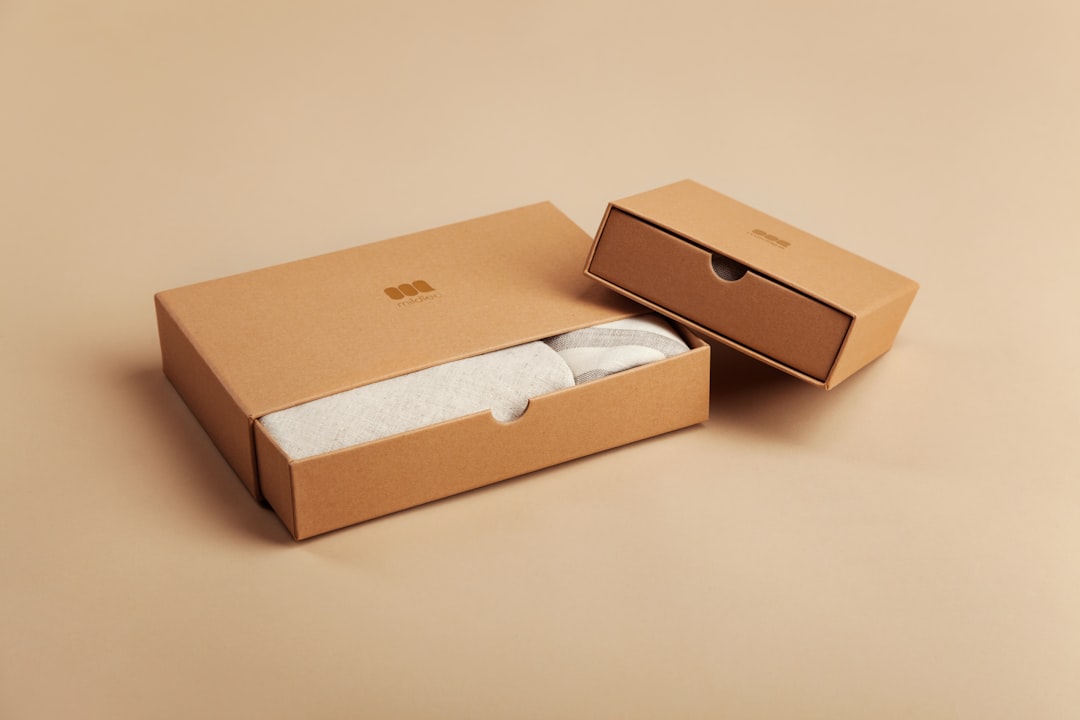
Okay, let’s dive into the nitty-gritty of package design. If you’re wondering how to make your product stand out and genuinely connect with customers, it all boils down to thoughtful, strategic package design. It’s not just about looking pretty; it’s about communication, protection, and creating an experience.
So, why bother with all this fuss over a box or a wrapper? Simple: it’s often the very first interaction a customer has with your product, even before they’ve tried it. Think of it as a silent salesperson on the shelf, or the opening act of an unboxing experience. A well-designed package doesn’t just hold your product; it tells a story, conveys your brand’s values, and influences purchasing decisions. A bad one, well, that can do just the opposite. It builds trust, communicates quality, and, frankly, makes your product more appealing.
First Impressions Are Lasting Impressions
When someone is browsing a physical or even an online store, their eyes quickly scan. Your package needs to grab attention, convey relevance, and evoke curiosity in a split second. This initial interaction can make or break a sale, especially in crowded markets where dozens of similar products compete for attention.
Communicating Brand Identity and Values
Your packaging is a physical embodiment of your brand. Does your brand stand for luxury? Sustainability? Fun? Practicality? Your packaging should reflect these traits immediately. The colors, fonts, materials, and overall aesthetic should be harmonious with your brand’s broader identity, reinforcing your message consistently.
The Unboxing Experience
In the age of e-commerce and social media, the unboxing experience has become a phenomenon. Thoughtful packaging transforms a simple delivery into an event. It’s an opportunity to delight customers, encourage sharing, and build loyalty. From tissue paper to custom inserts, every element contributes to this experience.
For those interested in the intricacies of packaging design, a related article can provide valuable insights into the latest trends and techniques in the industry. You can explore more about effective packaging strategies and their impact on consumer behavior by visiting this link: here. This article delves into the importance of packaging in enhancing product appeal and ensuring sustainability, making it a must-read for anyone involved in product marketing and design.
Understanding Your Product and Audience
Before you even think about colors or fonts, you need a solid grasp of what you’re selling and who you’re selling it to. This isn’t just common sense; it’s the foundation of effective design. Skipping this step is like trying to build a house without a blueprint – it’s probably going to fall apart.
What is Your Product?
This seems obvious, but let’s break it down. What are its core features? What problem does it solve? Is it fragile, perishable, or robust? Does it need to be kept cold, or protected from light? The physical nature of your product dictates many of the practical design choices you’ll make regarding materials and structure. For example, a delicate glass bottle of perfume will require very different packaging considerations than a durable power tool.
Who is Your Target Audience?
Understanding your audience is paramount. Are they budget-conscious or luxury-seeking? Tech-savvy or traditional? Young or old? Their demographics, psychographics, and purchasing habits will heavily influence design choices. A product for children will naturally be bright and playful, while a product for executives might lean towards minimalist elegance. Don’t just guess; do some research, look at competitors, and build a clear picture of who you’re trying to reach.
What is Your Brand’s Story?
Every brand has a story, even if it’s a simple one. Are you a startup disrupting an industry? A heritage brand with decades of experience? An eco-conscious company striving for sustainability? Your packaging should tell this story, or at least hint at it, in a way that resonates with your target audience. This narrative helps create an emotional connection, making your product more memorable and relatable.
The Practicalities of Package Design
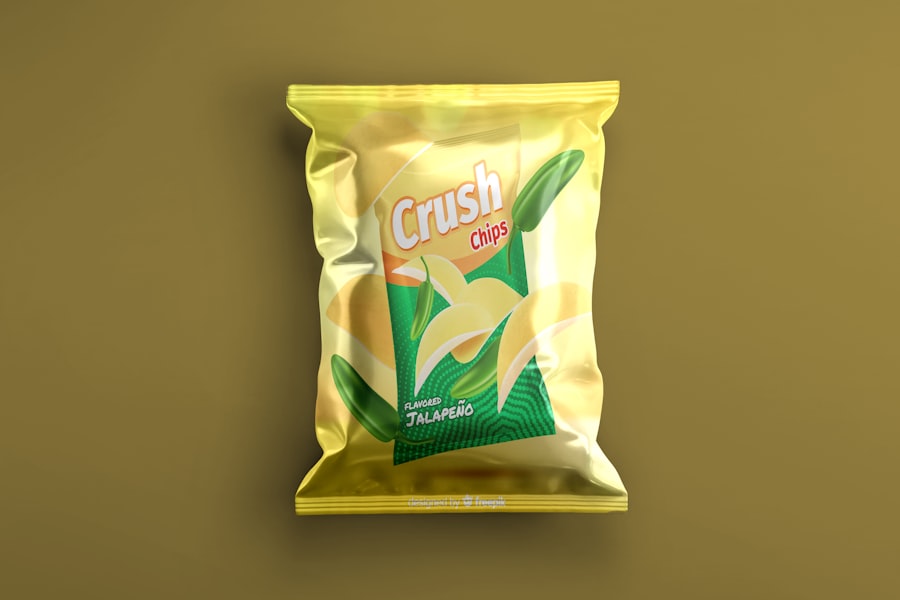
Once you know the ‘what’ and ‘who,’ it’s time to get practical. This is where you move from abstract ideas to tangible solutions, considering everything from materials to manufacturing.
Material Selection: More Than Just Aesthetics
The materials you choose for your packaging have implications for protection, sustainability, cost, and even the perceived quality of your product.
Durability and Protection
Your primary goal for packaging is to protect the product inside. This means considering shock absorption, moisture resistance, temperature control, and light protection. A fragile item will need cushioning, while food items will require food-grade, sometimes airtight, materials. The material needs to withstand shipping, handling, and shelf life.
Sustainability and Environmental Impact
In today’s market, sustainability isn’t just a buzzword; it’s a consumer expectation. Are your materials recyclable, compostable, or biodegradable? Are they sourced responsibly? Using recycled content or minimizing material usage can be a significant selling point and a reflection of your brand’s values. Be transparent about your efforts.
Cost and Manufacturing Feasibility
Let’s be real: budget matters. Some materials are inherently more expensive than others. You need to balance ideal design with what’s financially viable. Also, consider manufacturing. Can your chosen design and materials be efficiently produced at scale? Are there specialized machines or processes required that could add significant costs or lead times?
Structural Design: Form Meets Function
The physical shape and construction of your packaging are critical for both practical use and visual appeal.
Ergonomics and Usability
How easy is it for a customer to open, close, and use your product’s packaging? Is it intuitive? Does it prevent spills or make dispensing easy? Frustrating packaging can lead to negative customer experiences, regardless of how good the product inside is. Think about how the product will be stored and handled by the customer in their home or on the go.
Shelf Appeal and Display
How will your package look on a store shelf? Does its shape or structure help it stand out? Can it be stacked easily? Does it take up too much space? Consider the retail environment and how your package will interact with others around it. Unique shapes can be eye-catching, but they must also be practical for display.
Protection and Product Fit
The structure must securely hold and protect the product. This often involves custom inserts, trays, or specialized closures. The product shouldn’t rattle around or be easily damaged within its packaging. Think about impact resistance and preventing any movement that could cause wear or breakage.
Legal and Regulatory Considerations
This is often overlooked but extremely important. Different products and industries have specific labeling and packaging requirements.
Required Information
From ingredients lists and nutritional facts for food, to safety warnings for electronics, to recycling symbols, there’s often specific information that legally must be on your package. Ensure this is included and clearly legible. Missing these details can lead to fines, product recalls, and damaged brand reputation.
Industry-Specific Regulations
Pharmaceuticals, cosmetics, alcohol, and many other product categories have their own unique sets of regulations regarding packaging size, child-proofing, labeling, and even font sizes for certain information. Consult with legal experts or industry-specific guidelines to ensure full compliance.
The Visual Elements: Making it Pop
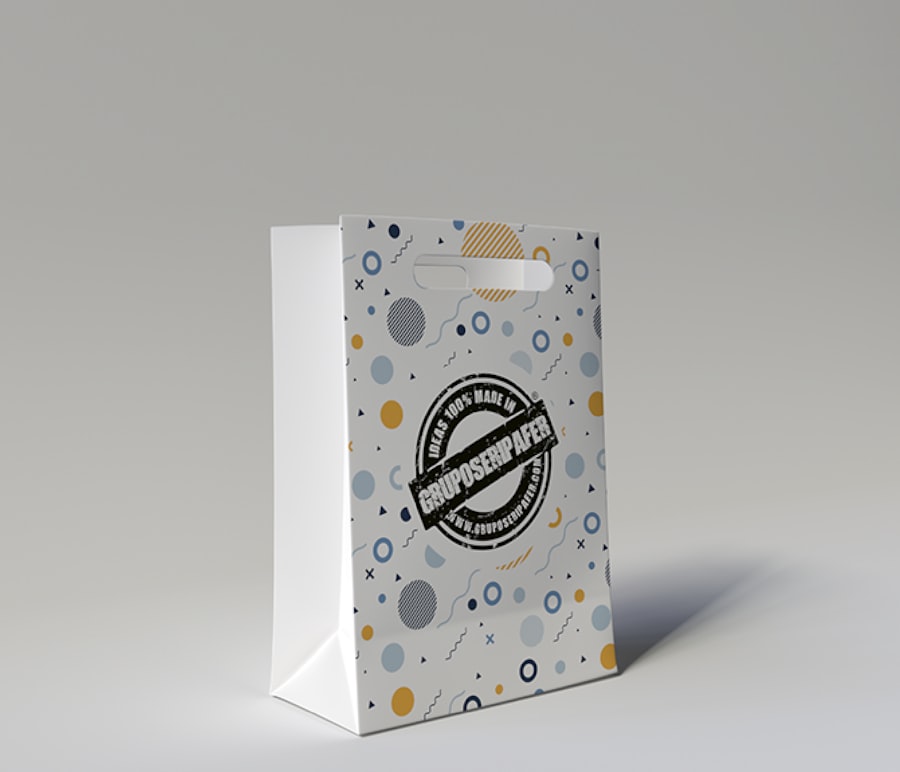
Now for the fun part – making your package visually appealing and communicative. This is where your brand really comes to life on the package.
Color Psychology: What Do Your Hues Say?
Colors evoke emotions and convey messages. Understanding color psychology is crucial for selecting a palette that resonates with your brand and audience.
Brand Consistency
Your packaging colors should align with your overall brand guidelines. If your logo is blue and white, a jarringly red and yellow package might confuse customers. Consistency builds recognition and trust.
Target Audience Appeal
Different colors appeal to different demographics and evoke different feelings. Blues often convey trustworthiness and calm, greens suggest nature and health, reds can signify excitement or urgency, and so on. Research what colors resonate with your specific audience and product category. For example, luxury brands often use muted, sophisticated tones like black, gold, or silver.
Market Differentiation
Sometimes, breaking a color norm in a category can help you stand out. If all your competitors use green for their “eco-friendly” products, perhaps a unique shade of teal or an earthy brown could make your product pop, while still conveying the desired message.
Typography: The Voice of Your Package
The fonts you choose aren’t just for reading; they have personality and impact readability.
Readability and Legibility
The most important rule: people need to be able to read what’s on your package! Choose fonts that are clear and legible, especially for important information like ingredients or instructions. Avoid overly decorative or tiny fonts that strain the eyes.
Brand Personality
Just like colors, fonts have personalities. A clean, sans-serif font might convey modernity and efficiency, while a classic serif font could suggest tradition and elegance. A whimsical script might be perfect for a children’s product. Your typography should align with your brand’s overall tone and message.
Hierarchy of Information
Use different font sizes, weights, and styles to create a clear hierarchy of information. The product name should typically be the most prominent, followed by key benefits, and then smaller details. This guides the customer’s eye and ensures they grasp the most important points quickly.
Imagery and Graphics: Telling Your Story Visually
Images, illustrations, and patterns can communicate quickly and powerfully, often more so than words.
Product Representation
If your product is best understood visually, consider incorporating high-quality photos or realistic illustrations. For food, this might mean a mouth-watering image. For tech, it could be a clear shot of the product in action.
Emotional Connection
Imagery can evoke emotions. A picture of a happy family using your product, or a serene landscape for a natural product, can create a powerful emotional connection with the consumer, making the product more desirable.
Brand Storytelling
Custom illustrations or unique patterns can further tell your brand’s story. If your brand has a playful or artistic vibe, unique graphics can reinforce that. If it’s about heritage, perhaps vintage-inspired illustrations. These visual cues can make your product instantly recognizable and memorable.
When considering effective strategies for enhancing product appeal, the importance of packaging cannot be overstated. A well-designed package not only protects the product but also serves as a powerful marketing tool that can attract consumers. For those interested in exploring innovative packaging solutions, you might find this article on packaging design particularly insightful. It discusses various trends and techniques that can elevate your brand’s presence in the market. To learn more, check out the article here: here.
User Experience and Interaction
| Package Type | Quantity | Weight | Destination |
|---|---|---|---|
| Small Box | 100 | 5 kg | Local |
| Medium Box | 50 | 10 kg | National |
| Large Box | 20 | 20 kg | International |
Beyond the shelf appeal, consider how the user will actually experience your packaging from purchase to disposal.
Ease of Opening and Closing
No one likes wrestling with packaging. Frustration often leads to negative perceptions of the product itself. Is it easy to open without tools? Can it be re-closed if needed? Is it child-safe when it needs to be, but adult-friendly? Think about tear strips, resealable zippers, or simple flap closures.
Instructions and Information Clarity
If your product requires assembly, specific usage instructions, or safety warnings, ensure they are clear, concise, and easy to find on the packaging. Use icons, diagrams, and simple language where possible. Don’t assume customers will read lengthy paragraphs.
Post-Purchase Life Cycle (Reuse & Disposal)
What happens to your packaging after the product is consumed or used? Can it be repurposed? Is it easily recyclable or compostable? Clearly indicate disposal instructions. Offering packaging that can be reused (e.g., a nice tin, a durable bag) adds value and extends the customer’s interaction with your brand, while making disposal easier builds customer loyalty.
Testing and Iteration
You wouldn’t launch a product without testing it, so why would you launch its packaging without the same rigor? This isn’t a one-and-done process.
Prototype and Mock-up
Before investing in full-scale production, create physical prototypes. How does it feel in hand? Does it stand up on a shelf? Are there any structural weaknesses? Mock-ups help you identify practical issues and refine the design.
Gather Feedback
Show your designs to real people – your target audience, industry experts, even friends and family (with a grain of salt). Ask open-ended questions: “What does this package make you feel?” “What do you think this product is for?” “Would you pick this up?” Their fresh perspective can reveal blind spots you might have missed.
Competitor Analysis
Continuously monitor your competitors’ packaging. What works well for them? What doesn’t? How can you differentiate your product while still appealing to the same market? This isn’t about copying; it’s about strategic positioning and learning from the market.
Iterate and Refine
Based on feedback and testing, be prepared to make changes. Packaging design is an iterative process. Rarely is the first concept the final one. Small tweaks can make a big difference in how your package performs on the shelf and in the hands of your customer.
Mastering package design is a journey, not a destination. It requires a blend of creativity, practicality, and a deep understanding of your product and customer. By paying attention to these details, you’re not just creating a container; you’re crafting an experience that can elevate your brand and drive your product’s success.
FAQs
What is the purpose of packaging shrimp?
Packaging shrimp serves to protect the product from physical damage, contamination, and spoilage during transportation and storage. It also helps to maintain the quality and freshness of the shrimp.
What are the common types of packaging used for shrimp?
Common types of packaging for shrimp include vacuum-sealed bags, modified atmosphere packaging (MAP), and individual quick frozen (IQF) packaging. These methods help to extend the shelf life of the shrimp and preserve its quality.
How is the packaging process for shrimp typically carried out?
The packaging process for shrimp typically involves cleaning, grading, and then placing the shrimp into the chosen packaging material. The packaging is then sealed and labeled before being stored in appropriate conditions for distribution.
What are the key considerations when designing packaging for shrimp?
Key considerations when designing packaging for shrimp include ensuring proper ventilation to prevent spoilage, using materials that are safe for food contact, and incorporating features that make the packaging easy to handle and store.
How can consumers ensure the quality of packaged shrimp?
Consumers can ensure the quality of packaged shrimp by checking for intact and undamaged packaging, looking for clear labeling with information on the product and its handling instructions, and ensuring that the packaging is stored at the recommended temperature.