
Unboxing the Best: The แพคเกจจิ้ง Experience
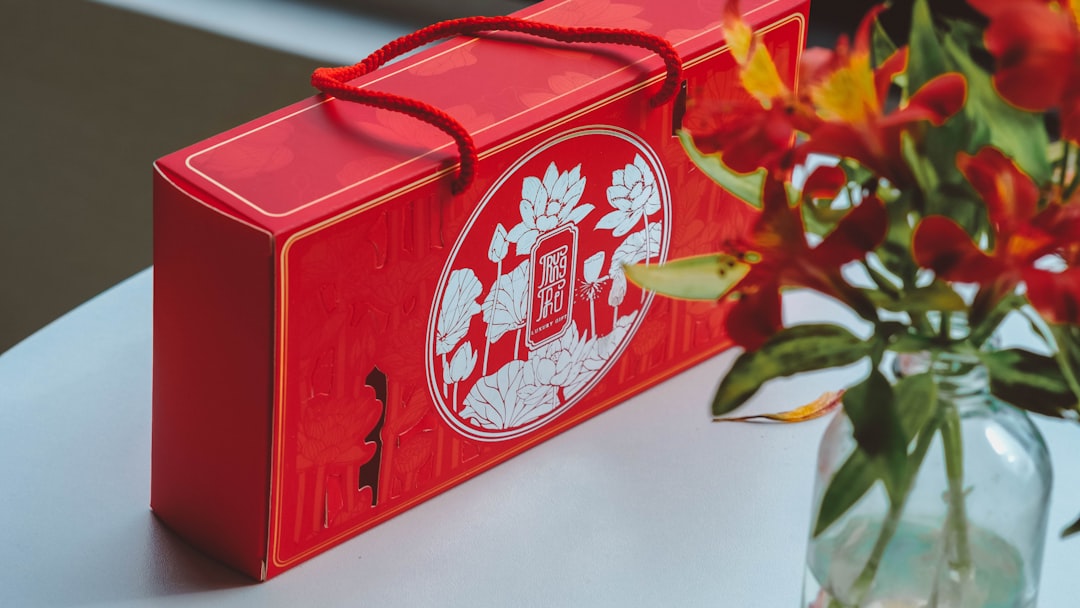
So, you’re curious about what makes a “แพคเกจจิ้ง” (packaging) experience truly stand out? It’s more than just a box, right? It’s about how the product arrives, how it feels to open it, and the lasting impression it leaves. Let’s dive into what makes packaging go from ordinary to something special.
Think about the last time you received something you were genuinely excited about. Was it just the item itself, or was the way it was presented part of the thrill? A great packaging experience is precisely that – the entire journey from when you first see the package to when you’ve unpacked everything and are holding the product. It’s a carefully orchestrated blend of function and form, designed to elicit a specific emotion or set of expectations. It’s not just about protecting the goods; it’s about building anticipation, conveying brand identity, and even adding a touch of delight. In essence, it’s the first physical interaction a customer has with your brand, and it speaks volumes.
The Functional Foundation: More Than Just Protection
Let’s be honest, no matter how pretty a package is, if it arrives damaged, or the contents are broken, the experience tanks. Functionality is the bedrock. This isn’t just about strength; it’s about smart design that considers the product’s needs at every step.
Protecting What Matters Most
The primary role of any packaging is to safeguard its contents. This involves understanding the fragility of the item, its weight, and its susceptibility to environmental factors like moisture, light, and temperature.
Material Science Matters
The choice of materials is crucial. Corrugated cardboard is standard for a reason – it offers excellent cushioning and rigidity. But within that, there are different grades and flute types, each suited for different levels of protection. For delicate electronics, custom-molded pulp inserts might be used, cradling the item perfectly. For liquids, robust seals and leak-proof containers are non-negotiable.
Structural Integrity in Transit
Consider the journey. Will the package be stacked? Shipped internationally with multiple handling points? The structural design needs to anticipate these stresses. Features like reinforced corners, sturdy closures, and appropriate void fill prevent shifting and impact damage. This is where engineering meets aesthetics.
Ease of Access and Unboxing
A frustrating unboxing is a sure way to sour an otherwise positive experience. Packaging should be intuitive to open without requiring excessive force, sharp objects, or a degree in engineering.
The Art of the Tear Strip
A well-placed, easy-to-find tear strip can make all the difference. It’s a simple feature that signals thoughtfulness and convenience. No more fumbling with scissors or knives just to get to your purchase.
Minimizing Frustration with Seals and Tapes
Overly aggressive tape or seals that are impossible to break cleanly can lead to torn product boxes or damaged items. Finding the right balance of secure closure and easy opening is key. Think about how a perfectly sealed jar opens with a satisfying pop – that’s good design.
Designed for Discovery, Not Destruction
The act of opening should feel like a progression, not a battle. Packaging that unfolds logically, revealing the product layer by layer, creates a sense of anticipation and reward.
In the realm of packaging, understanding the latest trends and innovations is crucial for businesses looking to enhance their brand presence. A related article that delves into the importance of sustainable packaging solutions can be found at this link: here. This article explores how companies can adopt eco-friendly materials and practices to not only reduce their environmental impact but also appeal to a growing base of environmentally conscious consumers.
The Aesthetic Appeal: Making a Visual Statement
Once the functional requirements are met, the visual elements come into play. This is where packaging transforms from a mere container into a brand ambassador and a piece of art.
First Impressions Count: The Exterior
The outside of the box is the first thing the recipient sees. It sets the tone and can influence their perception of the product before they even touch it.
Brand Identity and Recognition
Your packaging is a tangible representation of your brand. Consistent use of logos, colors, fonts, and imagery reinforces brand identity and makes your product instantly recognizable. This is especially important in crowded marketplaces.
Logo Placement and Visibility
A prominent, well-placed logo is essential. But it’s not just about size; it’s about how it integrates with the overall design. Is it subtle and sophisticated, or bold and impactful?
Color Psychology and Brand Association
Colors evoke emotions and associations. A luxury brand might opt for muted, sophisticated tones, while a vibrant, youthful brand might use bright, energetic hues. Understanding how colors communicate is vital.
Typography as a Design Element
The fonts used on packaging are not just for readability; they contribute significantly to the overall aesthetic and brand personality. A classic serif font can convey tradition, while a modern sans-serif can feel sleek and contemporary.
The Power of Minimalism and Sophistication
Sometimes, less is more. A clean, uncluttered design can convey a sense of premium quality and focus.
Strategic Use of White Space
Ample white space can make a design feel elegant and allow the key elements, like the logo or product name, to breathe and stand out.
Subtle Textures and Finishes
Beyond flat printing, textures like matte finishes, spot UV gloss, or embossing can add a tactile and visual dimension that elevates the perceived value.
Bold and Expressive Designs
Conversely, some brands thrive on making a statement with vibrant colors, intricate patterns, and eye-catching graphics.
Storytelling Through Graphics
Packaging can be a canvas for storytelling. Illustrations, patterns, or photographic elements can convey a brand’s narrative or the product’s origin.
Creating a ‘Wow’ Factor
Bold designs are often intended to grab attention and create a memorable, shareable moment.
The Interior Reveal: The Unboxing Journey
The real magic often happens inside the box. This is where the carefully crafted unboxing experience unfolds.
Layering and Presentation
How the product is arranged within the packaging can significantly impact the perceived value.
Thoughtful Arrangement of Components
Each item should have its place. Products nestled securely, with components neatly organized, suggest care and attention to detail.
Protective Inserts and Sleeves
Beyond simple void fill, custom-designed inserts made from materials like foam, molded pulp, or even decorative cardstock can enhance both protection and aesthetics. These can cradle the product and add a premium feel.
Tissue Paper and Protective Wraps
The classic elegance of tissue paper or a custom-printed protective wrap adds a layer of luxury and mystery, prolonging the unboxing anticipation.
Hidden Delights and Personal Touches
These are the small details that elevate a good experience to a great one.
Thank You Notes and Personalized Messages
A handwritten or thoughtfully printed thank you note can create a strong personal connection with the customer.
Small Branded Extras
Stickers, magnets, or even small samples can be a delightful surprise and an opportunity for further brand engagement.
Embossed or Printed Interior Elements
Even the inside of the box can be a canvas for branding or decorative elements, adding a surprise touch of detail.
The Tactile Sensation: Engaging the Sense of Touch
Packaging isn’t just a visual experience; it’s also about how it feels in your hands. The textures, weight, and overall feel contribute significantly to the perception of quality.
Material Choices and Their Feel
The materials used directly influence the tactile experience.
The Luxury of Heavyweight Paperboard
Thicker, more substantial paperboard stock often feels more premium than flimsy alternatives. It has a reassuring weight and a satisfying crispness.
Cardstock and its Properties
Different weights and finishes of cardstock (e.g., uncoated, silk-coated, linen-textured) offer a range of tactile sensations.
The Smoothness of Premium Finishes
Matte finishes can feel soft and velvety, while gloss finishes offer a sleek, reflective surface. Spot UV can create a raised, smooth area that contrasts with a matte background.
Matte vs. Gloss: A Subtle Difference
The choice between matte and gloss can subtly alter how the packaging feels and is perceived. Matte often feels more sophisticated and less prone to fingerprints.
Textured Surfaces and Embossing
Embossed patterns, debossed logos, or textured paper can add a rich, tactile dimension that invites the user to explore the packaging with their fingertips.
The Weight and Substance of the Package
The perceived weight of the packaging can communicate value. A lighter package might feel cheap, while a package with a satisfying heft can suggest quality and durability.
The Reassuring Substance
A well-designed package will have a certain weight that feels appropriate for the product it contains, hinting at the quality within.
Material Density and Construction
The density of the chosen materials and the way the package is constructed (e.g., double-walled cardboard) contribute to its overall weight and perceived sturdiness.
Sustainability and Eco-Consciousness: A Modern Imperative
In today’s world, the environmental impact of packaging is a major consideration for consumers and brands alike.
Eco-Friendly Material Choices
Brands are increasingly opting for materials that minimize their environmental footprint.
Recycled and Recyclable Materials
Using post-consumer recycled content and ensuring the packaging itself is easily recyclable is a significant plus.
Paper and Cardboard Innovations
New advancements in paper and cardboard production are creating more sustainable and durable options.
Biodegradable and Compostable Alternatives
For certain applications, biodegradable or compostable materials offer a solution for reducing landfill waste.
The Nuances of ‘Biodegradable’
It’s important to understand the specific conditions required for biodegradation, as not all ‘biodegradable’ materials break down easily in all environments.
Reducing Packaging Waste
Beyond the materials themselves, minimizing the sheer volume of packaging used is crucial.
Smart Design for Less Material
Optimizing package dimensions to fit the product snugly reduces the need for excessive void fill.
Right-Sizing Packaging
Ensuring the package is no larger than necessary for the product and its protective elements is a key principle of sustainable design.
Reusable Packaging Concepts
Some brands are exploring packaging that can be repurposed by the consumer, extending its lifecycle.
Innovative Multi-Use Designs
Designing packaging that can serve a secondary purpose, like storage or display, adds value and reduces waste.
In the world of packaging, understanding the intricacies of design and functionality is crucial for businesses aiming to stand out. A related article that delves into the importance of effective packaging solutions can be found here: here. This article explores various strategies that can enhance product visibility and consumer engagement, making it a valuable resource for anyone interested in the packaging industry.
The Unboxing Ritual: Creating a Memorable Moment
| Package Name | Price | Duration | Features |
|---|---|---|---|
| Package A | ฿500 | 1 month | Basic features |
| Package B | ฿800 | 3 months | Advanced features |
| Package C | ฿1200 | 6 months | Premium features |
The act of opening the package can be transformed into a deliberate and enjoyable ritual. This is where all the elements – visuals, touch, and anticipation – come together.
The Pace of Revelation
A slow, deliberate reveal builds excitement. It’s not about rushing to the product, but savoring the experience.
Layering as a Narrative Tool
Each layer of packaging can tell a part of the brand’s story or simply build anticipation for what’s next.
The Joy of Discovery
The feeling of uncovering the product, piece by piece, can be incredibly rewarding.
The Use of Sound and Texture
The rustle of tissue paper, the gentle click of a magnetic closure, or the smooth glide of a sliding drawer – these sensory details enhance the ritual.
The Emotional Connection
A well-executed unboxing experience can forge a stronger emotional bond between the customer and the brand.
Surprise and Delight
Unexpected elements, like a personalized note or a small gift, can create moments of genuine joy.
Exceeding Expectations
When packaging goes above and beyond the basic functional requirements, it creates a memorable and positive impression.
The Shareable Moment
In the age of social media, a visually appealing and engaging unboxing experience is more likely to be shared, providing organic marketing for the brand.
Encouraging Social Media Sharing
Designing packages that are aesthetically pleasing and provide a “wow” factor naturally encourages customers to share their unboxing online.
Long-Term Brand Perception
The unboxing experience is often the most memorable part of the initial customer interaction. It influences how customers perceive the brand’s quality, attention to detail, and overall values. A consistently excellent unboxing experience builds loyalty and encourages repeat business.
In conclusion, a great “แพคเกจจิ้ง” experience is a holistic approach. It’s about marrying the practical necessity of protection with the art of presentation, engaging multiple senses, and considering the environmental impact. It’s the silent salesperson that speaks volumes about a brand’s commitment to its customers.
FAQs
What is a แพคเกจจิ้ง (Package Jing)?
แพคเกจจิ้ง (Package Jing) is a traditional Thai snack made from deep-fried flour mixed with various ingredients such as shrimp, corn, and green onions. It is a popular street food in Thailand and is known for its crispy texture and savory flavor.
How is แพคเกจจิ้ง (Package Jing) made?
To make แพคเกจจิ้ง (Package Jing), a batter is made from flour, water, and seasoning. The batter is then mixed with ingredients such as shrimp, corn, and green onions. The mixture is then deep-fried until crispy and golden brown.
What are the ingredients in แพคเกจจิ้ง (Package Jing)?
The main ingredients in แพคเกจจิ้ง (Package Jing) include flour, water, shrimp, corn, green onions, and various seasonings such as salt, pepper, and garlic powder.
Is แพคเกจจิ้ง (Package Jing) gluten-free?
No, แพคเกจจิ้ง (Package Jing) is not gluten-free as it is made from flour, which contains gluten.
Where can I find แพคเกจจิ้ง (Package Jing)?
แพคเกจจิ้ง (Package Jing) is commonly sold as a street food in Thailand, particularly in markets and food stalls. It can also be found in some Thai restaurants and snack shops.